

News
May 17, 2018Daníel wants to raise the minimum wage in Reykjavík
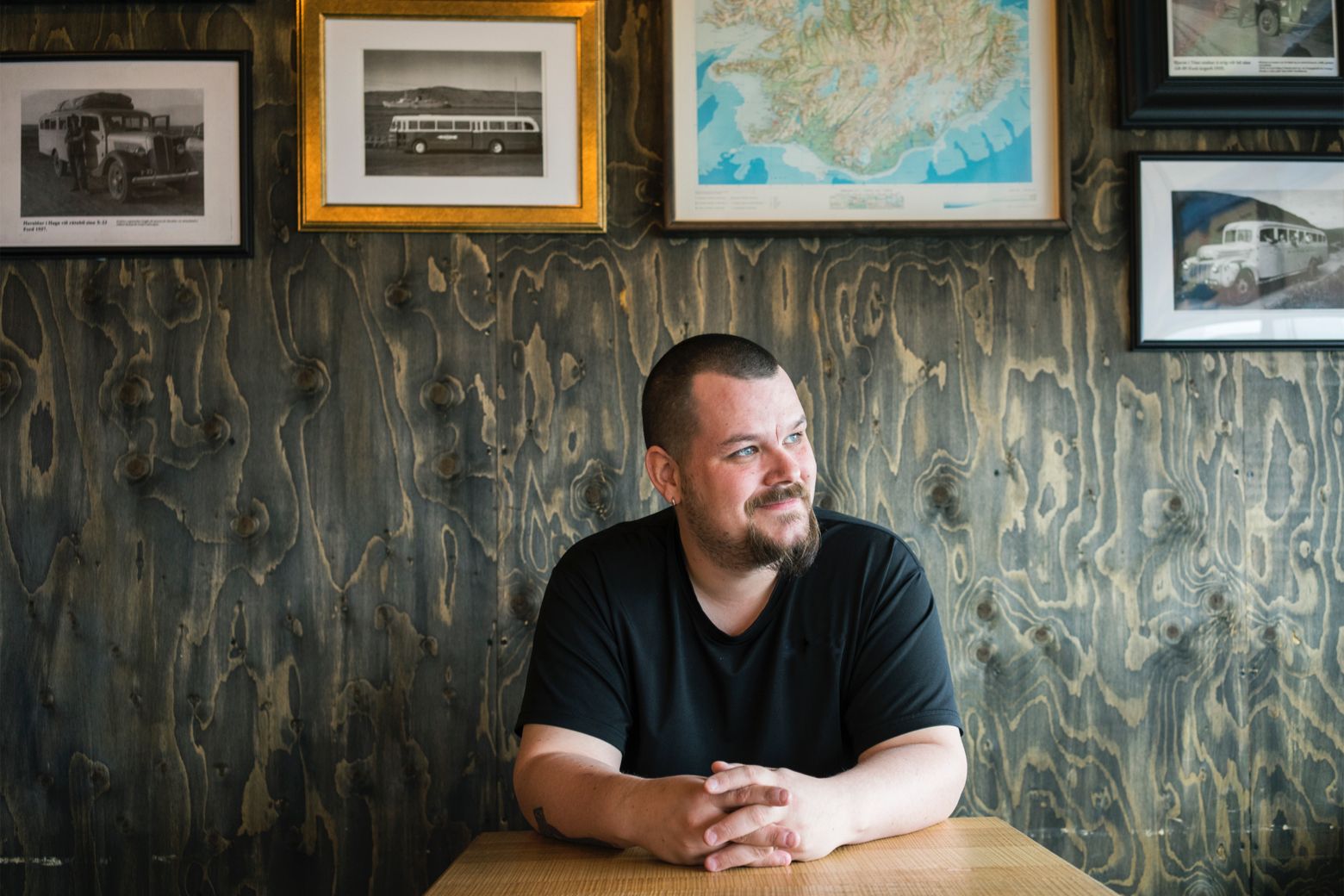
"What came to light in Harpa is not an isolated incident but unfortunately typical behavior by managers of the city's companies and institutions towards the lowest-paid staff," says Daníel Örn Arnarsson, a board member of Efling and second on the list of socialists in Reykjavík. "For decades, the rights of workers have been eroded, the wages of the lowest-paid kept down, they have been cut off from the workforce through outsourcing and agreements with temp agencies, their right to strike curtailed, and their terms, rights, and power reduced in other ways. All in the spirit of neoliberalism. And these ideas have taken root in the city's companies and institutions. Those roots must be torn out."
Daníel says it is necessary to kill neoliberalism, but that task is multifaceted, the destruction of this ideology is so widespread and the damage so great. "Let's just take the workforce," says Daníel. "What is normal about managers and the people who clean their offices not belonging to the same workforce? The people who clean the offices work for a company in town, often for a company owned by the family of the Minister of Finance. They don't go to the annual party with others from the workplace, they are not consulted on any decisions, they don't get to eat in the canteen, and in the minds of the managers, they are completely second or third class, not just in wages but culturally. The low-wage workers do not belong to the workplace, they have been cut off. Class division has become absolute, like people living in completely separate worlds, each in their own Reykjavík."
Daníel says it is a deplorable development that the City of Reykjavík follows private companies, which are run first and foremost to generate profit for their owners, in breaking down the terms and rights of employees. "The City of Reykjavík is our common society, our community. Why does the City of Reykjavík operate as if it were a cruel capitalist who wants to squeeze as much as possible out of its staff, to make them work as much as possible for as low wages as possible? What is the purpose of that? Did we not lose sight of the purpose? Is this not the way to create a good society? Wasn't that the purpose?" asks Daníel.
Daníel says that numerous examples of deplorable treatment of employees come before the board of Efling – trade union. Companies violate people's rights, pay them meager wages, and then exploit them further with housing rentals. "Our society is changing rapidly. Immigrants fill an increasingly larger share of low-wage jobs, and unfortunately, many company owners take advantage of the fact that immigrants often have a weaker social status, are unsure of their rights, and hesitate to assert them for fear of losing housing, residence permits, or getting into trouble in other ways. In such a situation, the City of Reykjavík should set an example and stand with the less fortunate. And certainly not adopt the methods of private companies and their treatment of staff. Reykjavík is our common society, not just for those who float on top," says Daníel.
"City affairs are wage issues and labor issues," he says. "The City of Reykjavík is a large workplace and probably among the largest low-wage workplaces in the country. Is that what we want? That our common society is among the companies that pay the lowest wages and outsource tasks to subcontractors to absolve itself of responsibility for the staff, the people who do the hardest and worst-paid jobs?"
Daníel points out that in the United States, the largest cities have agreed to raise the minimum wage to 15 dollars an hour, even though the minimum wage approved by parliament is only 7.25 dollars. "The circumstances are not the same in Reykjavík; the city council cannot determine minimum wages for private companies. But the City can raise the lowest wages it pays itself, ensuring they are sufficient for living expenses. It is unacceptable for our common society to pay people less than it costs to live. The City can also set rules not to purchase goods and services from companies that pay their staff lower wages than are sufficient for food, clothing, and housing. That should be the first condition, that people's wages are enough to sustain themselves," says Daníel.
And what should the city's minimum wage be?
"We should aim for 400,000 krónur a month as soon as possible," says Daníel, "and raise the benchmark if that is not enough. We must get out of the low-wage policy. It is a poison that undermines society. And it's one thing to be in this fight with private companies, but it's simply unacceptable for our common society, our common municipality, to participate in the war of the rich against the lowest-paid people. That is an absolutely insane situation. We must stop this. Immediately."