

News
June 13, 2018Socialists want to overturn a decision on curtailed democracy
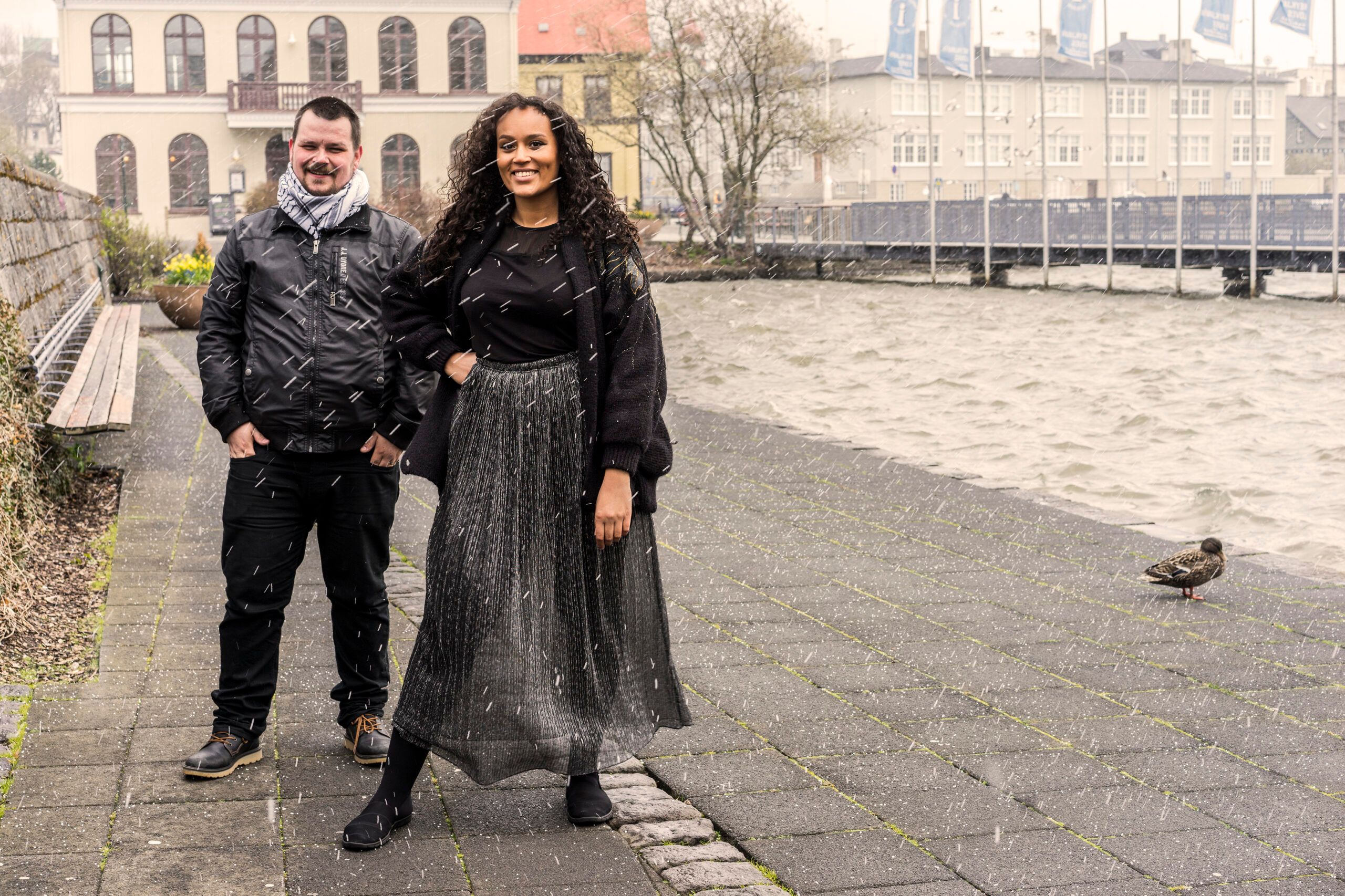
“It is strange that the same parties that claim to stand for transparency and increased democracy should be responsible for severely curtailing the access of elected representatives to the city's administrative system,” says Sanna Magdalena Mörtudóttir, a city councilor for the Socialists. “The access of smaller parties to the city's councils and committees was almost wiped out by changes made by the outgoing majority to the city council's regulations shortly before the elections, and the new majority has not yet shown that it intends to rectify this.”
Sanna refers to the fact that in April, changes were made to the city council's regulations that abolished the right of parties that did not win seats on councils and committees to appoint observers with the right to propose motions. This largely closes off access for smaller city council parties to the city's administrative system.
“These changes, made before the elections when six parties sat on the city council, were an incomprehensible restriction on city councilors' access to the administrative system. But now after the elections, with eight parties on the city council, it is revealed how unjust and foolish this change was,” says Daníel Örn Arnarsson, a substitute city councilor for the Socialists.
Before the changes, smaller city council parties had the right to observers in numerous councils and committees, about twenty in total. After the changes, observers will only be in two councils, the City Council (borgarráð) and the Planning Council (skipulagsráð), which is now called the Planning and Transport Council (skipulags- og samgönguráð).
“We Socialists will submit a proposal at the first meeting of the new city council to reverse this decision,” says Sanna. All the minority parties have expressed support for such a change.
As it stands, the smallest parties will only have seats on two councils and observers on two more, or access to four councils out of about twenty important councils and committees in the city system. “We only get limited access to the administrative system, participation in a small part of it, but otherwise just a keyhole to peek through, access to approved matters after they have been processed,” says Daníel.
According to Daníel, this restriction on smaller parties' access to the administrative system is yet another attack by larger parties on democracy. He can speak confidently because, according to the electoral laws of all countries in our part of the world, Daníel would be a city councilor today. However, because an electoral formula is used in Iceland that favors larger parties at the expense of smaller ones, Guðrún Ögmundsdóttir of Samfylkingin got the seat that Daníel would have received if the calculation methods common in our part of the world had been applied.
During the election campaign, the Socialists criticized the enormous outflow of funds from the state treasury and the city treasury to political parties. But this year, parties that hold seats in parliament (Alþingi) and held seats in the outgoing city council will receive close to 750 million ISK of public funds. “This is not only a questionable use of public funds, but these grants distort all democratic discourse,” says Daníel. “We felt this strongly during the election campaign. When the parties were in full swing with advertisements, it was difficult to get anything sensible through that wall. It is a very strange arrangement that the public is made to pay for long television advertisements where the leadership of ruling parties paints a glossy picture of themselves.”
In addition to financial grants, Daníel points to the 5% threshold in parliamentary elections, which reduces the chances of new candidacies gaining seats. This threshold is higher than in any comparable electoral system in our part of the world. “When the changes made to the city council's regulations in April are viewed in this light, it is obvious that they are part of the major parties' attack on democracy. They seem to believe they can use any methods to defend their position against the will of a large portion of voters, who have had enough of the elite politics that have been practiced here for decades.”
In addition to proposing that all parties be allowed to appoint observers to all councils and committees permitted by law, the Socialists intend to overturn the city council office's interpretation of regulations and municipal laws. As it stands today, the Socialists, Miðflokkur and Flokkur fólksins can run together and secure one seat on each seven-member council. According to new city council regulations, seats for observers are only left in the City Council and the Planning Council. The city council office interprets the laws such that if these parties seek one seat on these councils, they forfeit their right to observers.
In other words: If a joint candidacy of the Socialists, Miðflokkur, and Flokkur fólksins uses its strength to get one person elected to the City Council, for example, a Socialist, who is the party among these three that received the most votes in the elections, then Miðflokkur and Flokkur fólksins will not get observers on the City Council. The same applies to the Planning Council.
“This is an absurd situation that smaller parties are put in,” says Sanna. “By asserting their right to a seat on the City Council, the parties would have to relinquish their right to observers. Or vice versa: For all parties to have observers on the City Council, these three parties would collectively have to give their votes on the council to Sjálfstæðisflokkurinn, one of the major parties. This is, of course, a crazy system, undemocratic, and frankly, ridiculous.”
Daníel points out that such rules are not in the spirit of the Pirate Party's policy, for example. “We will work to gain the support of the majority parties to change the rules back to their previous state and ensure access for all democratically elected representatives to the city system,” says Daníel. He points out that the majority agreement speaks quite a bit about democracy, including the majority's desire to build “more democratic administration” and to ensure “opportunities for all to participate and access the democratic society.”
“With the restrictions approved in April and the city council office's interpretation of municipal laws, access for voters of parties that received well over a fifth of the votes to the city's administrative system is blocked,” says Daníel.
“A broad consensus must form within the new city council to amend these regulations and ensure better democracy in the city,” says Sanna Magdalena. “But to do that, we need to work quickly. But it must be done. It would be terrible to start this term by severely curtailing the access of elected representatives to the city system. We should be moving towards increased transparency and a more open system, not towards closing the system and hindering city councilors' access to it. More light, less shadow. That's where we want to go.”