

News
May 10, 2018Wants the privatization of Granda investigated
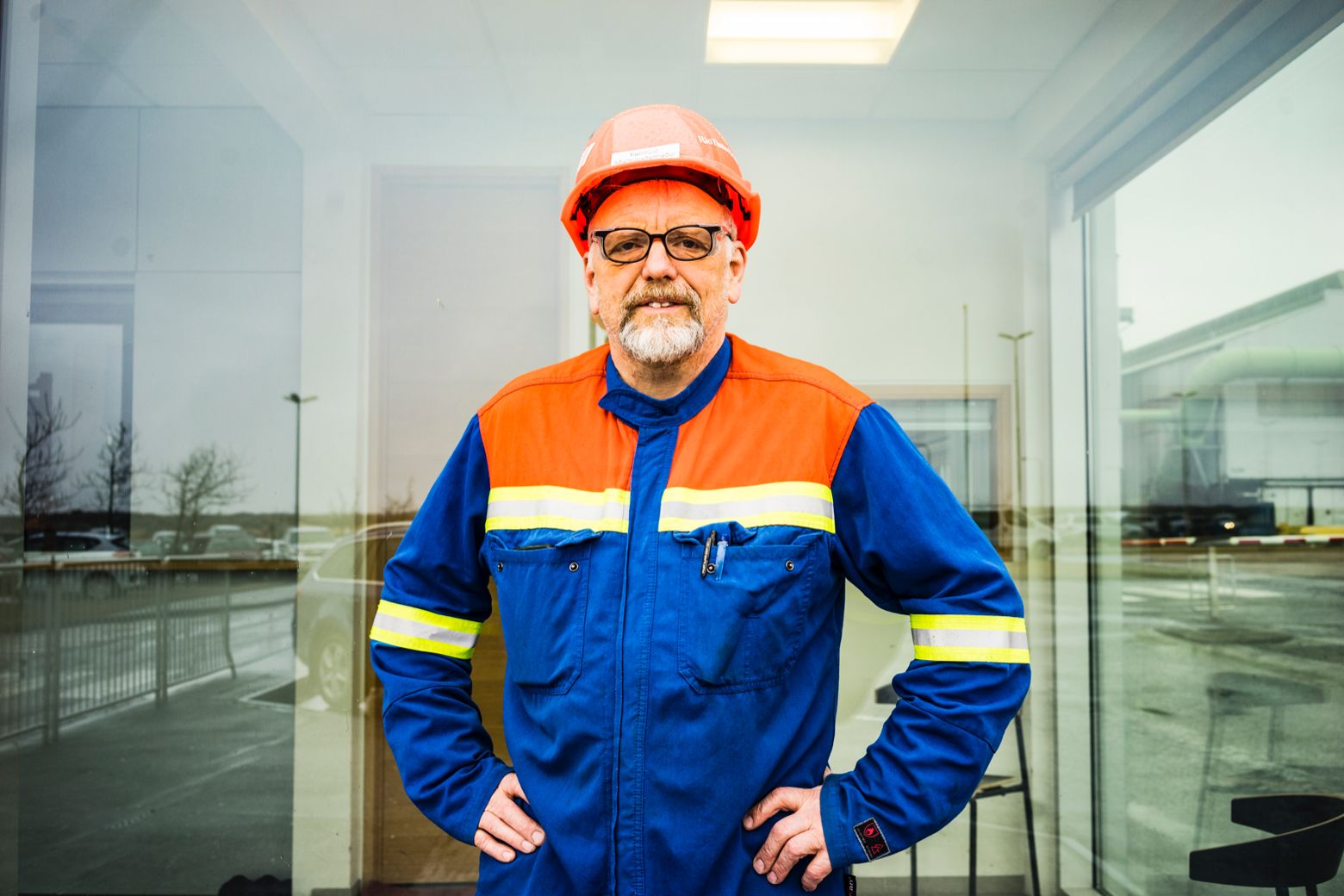
„We need to confront neoliberalism, not just how the taxes of the rich were lowered, thereby undermining the welfare system, but also how a few families managed to seize public assets. For us Reykjavík residents, the sale of Bæjarútgerðin weighs heaviest there. That sale marked the beginning of neoliberalism and the privatization of public assets in Reykjavík,“ says Reinhold Richter, chief shop steward at Ísal and a socialist candidate in Reykjavík.
The recent sale by Kristján Loftsson and associates of their stake in HB-Granda prompted Reinhold to investigate the matter. The families of Kristján and his business partners sold their stake for 21.7 billion ISK to Guðmundur Kristjánsson at Brim. Kristján and his associates acquired their stake in HBGranda in 1988 when they, along with Sjóvá, bought Reykjavíkurborg's 78% share in Granda.
„Mayor Davíð Oddsson sold the citizens' share in Granda to these people for 500 million ISK in 1988,“ says Reinhold. „In today's value, this is about 2,070 million ISK. And the shares that were sold recently are only a part of what Davíð sold in 1988. Kristján and his associates probably paid about 1,400 million ISK in today's value for what they were selling for 21,700 million ISK. They therefore profited by more than 20 billion ISK through cronyism. That is called cronyism, oligarchism, where private friends of those in power profit from seizing public assets. This is the situation in Russia and widely in Eastern Europe, but this situation has lasted for many decades in Iceland.“
Reinhold says the example is probably even worse. When Davíð Oddsson was mayor and saved Ísbjörninn from bankruptcy in 1985, by merging that company into Bæjarútgerð Reykjavíkur, the city treasury took over significant debts from the company, close to 1.5 billion ISK in today's value.
„It could therefore be argued that Mayor Davíð sold the citizens' share for almost nothing,“ says Reinhold. „The same share that was sold recently for 21.7 billion ISK. Something could be done with that amount. Something more sensible than giving it to Kristján Loftsson and his associates. I doubt that the citizens would vote for that outcome today.“ He points out that 20 billion could be used as a 20% initial contribution for the construction of four to five thousand apartments.
Reinhold suggests that this history be investigated. „Although we cannot reclaim these assets, nor recover the profits from those who seized them, it is at least better to know the story. How public assets were transferred to a select few during the neoliberal years,“ says Reinhold.
Bæjarútgerð Reykjavíkur was founded after the war to ensure employment for fishermen and workers in Reykjavík. It was honorably operated until the late 1970s, when it ran into difficulties like most fishing companies in the country. Despite the extension of the territorial waters, catches declined and over-investment burdened the fishing industry. The quota system was precisely introduced to reduce investments and lower the cost of fishing.
But before the efficiency of the quota system managed to improve the operations of the municipal fishing companies, they were sold, not only in Reykjavík but also in Hafnarfjörður, Akureyri, and elsewhere. It was therefore private individuals, in most cases entrenched and well-connected members of the Independence Party, who reaped the profits from the quota system. The public, the owners of the municipal fishing companies, received nothing.
„This was no less a bloody privatization than the privatization of the banks at the time,“ says Reinhold. „It was the municipal fishing companies and the cooperative movement's fishing companies that helped Icelanders get on their feet after the war. They were founded to ensure employment for people. Today, these public assets and former social assets have fallen into the hands of a few families who do not hesitate to close fish processing plants and lay off tens and hundreds of employees if they believe they can profit from it. Privatization is therefore not only about money but also about people being able to live with security and a stable livelihood.“